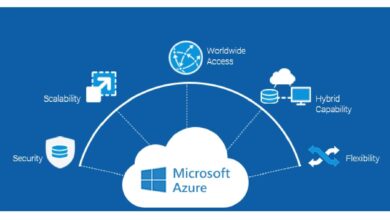
MS Azure is transforming how businesses operate in the digital era. With its robust cloud infrastructure, scalable services, and global reach, it’s no wonder organizations worldwide are making the switch. Let’s dive into why MS Azure stands out.


What Is MS Azure and Why It Matters

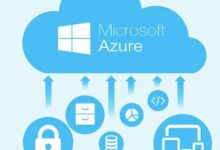
Microsoft Azure, commonly referred to as MS Azure, is a comprehensive cloud computing platform developed by Microsoft. Launched in 2010, it offers over 200 services ranging from computing, analytics, storage, and networking to artificial intelligence and the Internet of Things (IoT). Unlike traditional on-premise infrastructure, MS Azure allows businesses to scale resources on demand, reducing costs and increasing agility.
Core Components of MS Azure
MS Azure is built on a foundation of modular services that can be tailored to meet specific business needs. These include virtual machines, databases, AI tools, and developer platforms. Each component is designed to integrate seamlessly with others, enabling a cohesive cloud ecosystem.
- Compute services like Virtual Machines and Azure Functions
- Storage solutions such as Blob Storage and Data Lake
- Networking tools including Virtual Networks and Azure DNS
These components work together to deliver high availability, fault tolerance, and enterprise-grade security.
Global Infrastructure and Data Centers
One of MS Azure’s biggest strengths is its global footprint. With over 60 regions worldwide—more than any other cloud provider—Azure ensures low-latency access and compliance with local data regulations. Regions are strategically placed to support data sovereignty, making it ideal for multinational corporations.
“Azure’s global network allows us to deploy applications closer to our users, drastically improving performance,” says a senior IT architect at a Fortune 500 company.
Each region consists of multiple data centers connected via high-speed fiber optics, ensuring redundancy and resilience against outages.
MS Azure vs. Competitors: A Strategic Edge
When comparing MS Azure to rivals like Amazon Web Services (AWS) and Google Cloud Platform (GCP), several differentiators emerge. While AWS leads in market share, MS Azure excels in hybrid cloud integration, enterprise support, and seamless Microsoft product synergy.
Hybrid Cloud Leadership
MS Azure stands out with its hybrid capabilities through Azure Stack and Azure Arc. These tools allow organizations to run Azure services on-premises or in multi-cloud environments, offering unmatched flexibility.
- Azure Stack enables consistent cloud services in local data centers
- Azure Arc extends Azure management to any infrastructure, anywhere
This hybrid approach is particularly valuable for industries with strict regulatory requirements, such as finance and healthcare.
Integration with Microsoft Ecosystem
For businesses already using Microsoft 365, Active Directory, or Dynamics 365, MS Azure offers frictionless integration. Single sign-on, unified billing, and shared security policies reduce complexity and improve user experience.
For example, Azure Active Directory (Azure AD) provides identity and access management across cloud and on-premise systems, enhancing security while simplifying administration.
Key Services Offered by MS Azure
MS Azure’s service portfolio is vast and constantly evolving. Below are some of the most impactful offerings that drive digital transformation.
Compute and Virtualization
Azure Virtual Machines (VMs) allow users to deploy Windows or Linux environments in minutes. With support for custom images and automated scaling, VMs are ideal for hosting applications, databases, and development environments.
- Support for GPU-intensive workloads (e.g., AI training)
- Spot VMs for cost-effective batch processing
- Confidential computing for encrypted data processing
Azure also offers serverless computing via Azure Functions, enabling event-driven code execution without managing infrastructure.
Data Storage and Management
MS Azure provides a variety of storage options tailored to different use cases. Azure Blob Storage is perfect for unstructured data like videos and backups, while Azure SQL Database offers fully managed relational database services.
- Geo-redundant storage (GRS) for disaster recovery
- Automatic backups and point-in-time restore
- Integration with Power BI for real-time analytics
Azure Data Lake Storage is designed for big data analytics, supporting massive datasets with hierarchical file systems.
AI and Machine Learning
MS Azure is a leader in democratizing artificial intelligence. Azure Cognitive Services provide pre-built APIs for vision, speech, language, and decision-making, enabling developers to add AI features without deep expertise.
Azure Machine Learning is a full-cycle platform for building, training, and deploying ML models. It supports automated ML, MLOps, and integration with popular frameworks like TensorFlow and PyTorch.
“We reduced model development time by 60% using Azure ML,” shared a data science lead at a European tech firm.
Additionally, Azure OpenAI Service gives enterprises secure access to powerful models like GPT-4, enabling custom chatbots, content generation, and code assistance.
Security and Compliance in MS Azure
Security is a top priority for any cloud platform, and MS Azure delivers with a multi-layered approach. From physical data center security to advanced threat detection, Azure ensures data protection at every level.
Built-In Security Features
MS Azure includes tools like Azure Security Center (now part of Microsoft Defender for Cloud), which provides unified security management and advanced threat protection across hybrid cloud workloads.
- Continuous vulnerability assessment
- Just-in-Time VM access to minimize exposure
- Adaptive application controls
Azure Sentinel, a cloud-native Security Information and Event Management (SIEM) system, enables real-time monitoring, threat hunting, and automated response using AI.
Compliance and Certifications
MS Azure complies with over 140 international and industry-specific standards, including GDPR, HIPAA, ISO 27001, and SOC 1/2/3. This makes it easier for organizations to meet regulatory requirements without additional overhead.
Microsoft’s Trust Center provides transparency into compliance status, audit reports, and data handling practices. You can explore more at Microsoft Trust Center.
“Azure’s compliance framework helped us achieve HIPAA certification in half the time,” noted a healthcare CIO.
Cost Management and Pricing Models
Understanding MS Azure’s pricing is crucial for optimizing cloud spending. Unlike traditional IT, where costs are upfront and fixed, Azure uses a pay-as-you-go model, allowing businesses to pay only for what they use.
Pricing Tiers and Options
MS Azure offers several pricing models:
- Pay-as-you-go: Ideal for variable workloads
- Reserved Instances: Save up to 72% by committing to 1-3 years
- Spot Pricing: For non-critical workloads with flexible timing
Additionally, the Azure Free Account provides $200 in credits for 30 days and access to over 25 always-free services, perfect for learning and testing.
Tools for Cost Optimization
Azure Cost Management + Billing helps organizations track, analyze, and optimize cloud spending. Features include:
- Cost analysis dashboards
- Budget alerts and forecasting
- Recommendations for right-sizing resources
By leveraging these tools, companies can avoid over-provisioning and identify underutilized resources.
DevOps and Developer Experience on MS Azure
MS Azure is developer-friendly, offering a rich set of tools and platforms that streamline the software development lifecycle.
Azure DevOps Services
Azure DevOps provides a suite of services for planning, developing, testing, and deploying applications. It includes:
- Azure Repos for Git-based source control
- Azure Pipelines for CI/CD automation
- Azure Boards for agile project management
These tools integrate seamlessly with popular IDEs like Visual Studio and VS Code, enhancing productivity.
Containerization and Kubernetes
For modern application architectures, MS Azure supports containerization through Azure Container Instances (ACI) and Azure Kubernetes Service (AKS). AKS simplifies the deployment, management, and scaling of Kubernetes clusters.
- Integrated monitoring with Azure Monitor
- Auto-scaling and self-healing capabilities
- Role-Based Access Control (RBAC) for security
AKS also supports hybrid deployments via Azure Arc, enabling consistent management across environments.
Real-World Use Cases of MS Azure
Organizations across industries leverage MS Azure to solve complex challenges and drive innovation.
Healthcare: Secure Data Sharing and AI Diagnostics
Hospitals and clinics use MS Azure to store electronic health records securely while complying with HIPAA. AI-powered tools analyze medical images for early disease detection, improving patient outcomes.
For example, a UK-based hospital implemented Azure AI to detect brain tumors in MRI scans, reducing diagnosis time from days to hours.
Retail: Personalized Customer Experiences
Retailers use Azure Cognitive Services to power recommendation engines and chatbots. By analyzing customer behavior in real time, they deliver personalized shopping experiences across online and physical stores.
A global fashion brand reported a 30% increase in conversion rates after deploying Azure-powered personalization on their e-commerce platform.
Manufacturing: Predictive Maintenance with IoT
Manufacturers deploy Azure IoT Hub to connect machinery and sensors. Data from equipment is analyzed using Azure Stream Analytics to predict failures before they occur, minimizing downtime.
One automotive plant reduced unplanned maintenance by 45% using Azure IoT and machine learning models.
Getting Started with MS Azure
Starting with MS Azure is straightforward, even for beginners. Microsoft provides extensive documentation, tutorials, and free learning paths via Microsoft Learn.
Steps to Create Your First Azure Resource
1. Sign up for an Azure Free Account.
2. Log in to the Azure Portal (portal.azure.com).
3. Use the search bar to find a service (e.g., Virtual Machine).
4. Follow the guided setup wizard to configure and deploy.
You can also use Azure CLI or PowerShell for automation.
Recommended Learning Resources
Microsoft Learn offers free, interactive modules such as:
- AZ-900: Microsoft Azure Fundamentals
- DP-900: Microsoft Azure Data Fundamentals
- SC-900: Microsoft Security, Compliance, and Identity Fundamentals
These courses prepare users for official certifications and real-world implementation.
What is MS Azure used for?
MS Azure is used for a wide range of purposes including hosting websites and applications, storing and analyzing data, running virtual machines, implementing AI and machine learning, managing IoT devices, and enabling hybrid cloud environments. It supports both enterprise and startup needs with scalable, secure, and cost-effective solutions.
How does MS Azure compare to AWS?
While AWS has a larger market share, MS Azure excels in hybrid cloud integration, seamless Microsoft product compatibility, and enterprise support. Azure is often preferred by organizations already using Microsoft 365 or Windows Server due to easier integration and unified management.
Is MS Azure free to use?
MS Azure offers a free tier with $200 in credits for 30 days and access to over 25 always-free services. After the trial, users can continue with pay-as-you-go pricing or upgrade to paid plans based on usage.
Can I run Linux on MS Azure?
Yes, MS Azure fully supports Linux distributions including Ubuntu, CentOS, Red Hat Enterprise Linux, and SUSE. You can deploy Linux virtual machines, containers, and applications just as easily as Windows-based ones.
How secure is MS Azure?
MS Azure is highly secure, offering built-in encryption, threat detection, identity management, and compliance with over 140 standards. Microsoft invests over $1 billion annually in cybersecurity and operates a dedicated team of over 3,500 security experts.
MS Azure is more than just a cloud platform—it’s a catalyst for digital transformation. With its powerful services, global reach, security, and integration capabilities, it empowers businesses to innovate faster and operate more efficiently. Whether you’re a startup or a global enterprise, MS Azure provides the tools to scale, secure, and future-proof your IT infrastructure. The journey to the cloud starts here.
Further Reading: