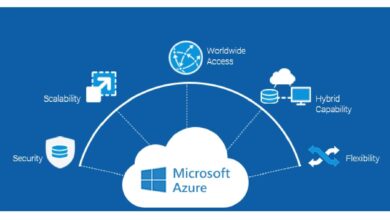
Want to sign in to Azure portal quickly and securely? Whether you’re a cloud beginner or an IT pro, this guide gives you everything you need to access your Microsoft Azure environment with confidence and ease.






Understanding the Azure Portal and Why You Need to Sign In

The Microsoft Azure portal is a web-based interface that allows users to manage cloud services, deploy applications, monitor resources, and configure security settings. It serves as the central hub for interacting with Azure’s vast ecosystem of over 200 services, including virtual machines, databases, AI tools, and networking solutions.
What Is the Azure Portal?
The Azure portal (portal.azure.com) is a unified dashboard that provides a graphical user interface (GUI) for managing Azure resources. Unlike command-line tools or APIs, the portal simplifies complex operations through intuitive menus, wizards, and visual dashboards.
- It supports role-based access control (RBAC), enabling teams to manage permissions efficiently.
- It integrates with Microsoft 365, Dynamics 365, and other Microsoft cloud services.
- It offers real-time monitoring, cost analysis, and alerting features.
“The Azure portal is the gateway to the cloud—where strategy meets execution.” — Microsoft Cloud Architect
Why Signing In Is the First Critical Step
Before you can deploy a virtual machine, set up a storage account, or analyze logs, you must first sign in to Azure portal. Authentication ensures that only authorized users access sensitive data and infrastructure. Without a successful login, all other actions are blocked by design for security reasons.
- Signing in validates your identity using Azure Active Directory (Azure AD).
- It establishes your session context, including subscriptions and permissions.
- It enables audit trails and compliance logging for enterprise environments.
How to Sign In to Azure Portal: Step-by-Step Guide
Signing in to the Azure portal is straightforward, but knowing the correct steps helps avoid common pitfalls like account lockouts or multi-factor authentication (MFA) issues.
sign in to azure portal – Sign in to azure portal menjadi aspek penting yang dibahas di sini.
Step 1: Navigate to the Official Azure Portal URL
Always start by visiting the official Microsoft Azure portal at https://portal.azure.com. Avoid third-party links or search engine ads that may lead to phishing sites.
- Bookmark the URL for future use.
- Use HTTPS to ensure encrypted communication.
- Check the SSL certificate to confirm it’s issued to microsoftonline.com or azure.com.
Step 2: Enter Your Credentials
On the sign-in page, enter your email address associated with your Azure account. This could be:
- A Microsoft account (e.g., outlook.com, hotmail.com)
- An organizational account (e.g., user@company.com managed via Azure AD)
- A work or school account provided by your employer
After entering your email, click Next, then input your password. If you’re using a personal Microsoft account, you might be redirected to account.live.com for verification.
Step 3: Complete Multi-Factor Authentication (If Enabled)
Many organizations enforce MFA for added security. After entering your password, you may be prompted to verify your identity through one of the following:
- Microsoft Authenticator app notification or code
- SMS text message with a one-time passcode
- Phone call verification
- Security key (FIDO2 compliant)
Follow the on-screen instructions to complete this step. Once verified, you’ll gain access to the Azure dashboard.
sign in to azure portal – Sign in to azure portal menjadi aspek penting yang dibahas di sini.
Common Issues When Trying to Sign In to Azure Portal
Even experienced users encounter login problems. Understanding these issues helps reduce downtime and frustration.
Forgot Password or Locked Account
If you forget your password or enter it incorrectly multiple times, your account may be temporarily locked. To recover access:
- Click Forgot password? on the login screen.
- Follow the self-service password reset (SSPR) workflow.
- Verify your identity using a registered email, phone, or security question.
For organizational accounts, contact your IT administrator if SSPR isn’t configured.
Multi-Factor Authentication Failures
MFA failures are among the top reasons users can’t sign in to Azure portal. Common causes include:
- Lost or damaged authenticator device
- Outdated time settings on mobile devices (affects TOTP codes)
- Network issues preventing push notifications
- Expired or unenrolled MFA methods
Solution: Use backup verification methods or contact your Azure AD admin to reset MFA registration.
sign in to azure portal – Sign in to azure portal menjadi aspek penting yang dibahas di sini.
Browser Compatibility and Cache Issues
Sometimes, the problem isn’t your credentials—it’s your browser. Azure portal supports modern browsers like:
- Google Chrome (latest version)
- Mozilla Firefox
- Microsoft Edge
- Apple Safari (with limitations)
Clear cookies, cache, and site data if you see errors like “Session expired” or “Authentication failed.” Try opening the portal in an incognito/private window to rule out extension conflicts.
Using Different Account Types to Sign In to Azure Portal
Azure supports various account types, each with different authentication flows and use cases.
Microsoft Personal Accounts
A personal Microsoft account (e.g., @outlook.com, @hotmail.com) can be used to sign in to Azure, especially for free trials or individual subscriptions. These accounts are managed under consumer identity systems but can be linked to Azure AD tenants.
- Great for developers testing services.
- Limited administrative capabilities unless invited to a tenant.
- Can be converted into a work account if needed.
Work or School Accounts (Azure AD)
Most enterprise users sign in with work or school accounts managed through Azure Active Directory. These accounts are created and governed by an organization’s IT department.
sign in to azure portal – Sign in to azure portal menjadi aspek penting yang dibahas di sini.
- Support single sign-on (SSO) across Microsoft 365, Teams, and other enterprise apps.
- Enforce conditional access policies (e.g., block access from untrusted locations).
- Enable seamless integration with on-premises Active Directory via Azure AD Connect.
Guest User Accounts (B2B Collaboration)
Organizations often invite external partners as guest users. These users can sign in to Azure portal using their own credentials from another Azure AD tenant or Microsoft account.
- No need to create new passwords in your directory.
- Access is controlled via invitation and RBAC roles.
- Guests appear in the Azure AD portal with a “#EXT#” suffix in their email.
Security Best Practices After You Sign In to Azure Portal
Signing in is just the beginning. Securing your session and environment is critical to prevent breaches.
Enable Multi-Factor Authentication (MFA)
MFA adds a second layer of protection beyond passwords. Even if credentials are compromised, attackers can’t access your account without the second factor.
- Go to Azure AD > Security > Multi-Factor Authentication to configure.
- Enforce MFA for all privileged roles (e.g., Global Admin, Subscription Owner).
- Use phishing-resistant methods like FIDO2 security keys for highest security.
Use Role-Based Access Control (RBAC)
Rather than giving full administrative rights, assign users the minimum permissions they need using RBAC.
- Predefined roles include Reader, Contributor, Virtual Machine Contributor, and Owner.
- Create custom roles for granular control.
- Regularly review access with Azure AD Access Reviews.
Monitor Sign-In Activity and Alerts
Azure Monitor and Azure AD Identity Protection help detect suspicious logins.
sign in to azure portal – Sign in to azure portal menjadi aspek penting yang dibahas di sini.
- Check sign-in logs in Azure AD for failed attempts or unusual locations.
- Set up alerts for sign-ins from anonymous IP addresses or multiple countries in a short time.
- Integrate with Microsoft Defender for Cloud for advanced threat detection.
Advanced Authentication Methods for Signing In
Beyond username and password, Azure supports modern authentication protocols for enhanced security and convenience.
Passwordless Authentication Options
Microsoft promotes passwordless sign-ins to reduce phishing and credential theft.
- Microsoft Authenticator App: Approve sign-ins with a tap or use a generated code.
- Windows Hello: Biometric or PIN-based login on supported devices.
- FIDO2 Security Keys: Physical USB/NFC keys that provide strong, phishing-resistant authentication.
To set up passwordless sign-in, go to My Account > Security Info > Add method.
Single Sign-On (SSO) and Federated Identity
Large organizations use SSO to streamline access. Users sign in once to their corporate network and gain automatic access to Azure and other cloud apps.
- Federated identity uses protocols like SAML or OAuth 2.0.
- Integrates with on-premises identity providers like ADFS or third-party IdPs (Okta, PingIdentity).
- Reduces password fatigue and improves compliance.
Service Principals and Managed Identities
For automated processes (e.g., CI/CD pipelines, scripts), use service principals or managed identities instead of user accounts.
sign in to azure portal – Sign in to azure portal menjadi aspek penting yang dibahas di sini.
- Service principals are non-interactive identities registered in Azure AD.
- Managed identities are automatically managed by Azure and assigned to resources like VMs or functions.
- They eliminate the need to store credentials in code or configuration files.
Troubleshooting and Recovery: What to Do If You Can’t Sign In
When standard steps fail, knowing where to look can save hours of downtime.
Check Azure Service Health
Occasionally, Microsoft experiences outages that affect login services. Before assuming it’s your fault, check the Azure Status Dashboard.
- Look for incidents under “Authentication” or “Azure Active Directory.”
- Subscribe to RSS feeds or email alerts for real-time updates.
- Use the Azure CLI or PowerShell to check status programmatically.
Contact Your Administrator or Support Team
If you’re part of an organization, your access depends on admin configurations. Common issues include:
- Disabled user account
- Removed from subscription or role assignment
- Licensing issues (e.g., expired E5 license with MFA)
Contact your Azure administrator to verify your status in Azure AD and subscription access.
Use Azure AD Self-Service Tools
Microsoft provides several self-service tools to regain access:
sign in to azure portal – Sign in to azure portal menjadi aspek penting yang dibahas di sini.
- Password Reset: https://aka.ms/sspr
- MFA Registration: https://aka.ms/mfasetup
- Account Recovery: https://account.live.com/acsr
These tools empower users to resolve common issues without IT intervention.
Optimizing Your Azure Portal Experience After Signing In
Once you’ve successfully sign in to Azure portal, personalize your workspace for maximum productivity.
Customize the Dashboard
The Azure dashboard is fully customizable. Pin frequently used resources, charts, and quick links.
- Click Edit mode to add, resize, or remove tiles.
- Save multiple dashboards for different roles (e.g., Dev, Ops, Security).
- Share dashboards with team members for collaboration.
Use Azure Cloud Shell
Cloud Shell is a browser-based command-line environment available directly in the portal.
- Access Bash or PowerShell without installing anything.
- Automate tasks using CLI or PowerShell scripts.
- Files can be stored in an Azure file share for persistence.
Launch it by clicking the >_ icon in the top toolbar.
sign in to azure portal – Sign in to azure portal menjadi aspek penting yang dibahas di sini.
Leverage Quickstart Templates and Marketplace
Speed up deployments using pre-built templates.
- Browse the Azure Marketplace for apps and services.
- Use Quickstart templates from GitHub to deploy common architectures.
- Save your own templates for reuse.
How do I sign in to Azure portal if I don’t have an account?
You can create a free Azure account at https://azure.microsoft.com/en-us/free/. It includes $200 in credits and access to over 25 always-free services for 12 months. You’ll need a phone number, credit card (for verification only), and a Microsoft account or email to register.
Can I sign in to Azure portal from my mobile device?
Yes, the Azure portal is mobile-responsive and works on smartphones and tablets. For better experience, download the Microsoft Azure app from the App Store or Google Play. The app allows you to monitor resources, receive alerts, and perform basic management tasks on the go.
sign in to azure portal – Sign in to azure portal menjadi aspek penting yang dibahas di sini.
What should I do if I’m signed in but see no resources?
This usually means you don’t have permission to view any resources in the current subscription. Check if you’re in the right directory (use the directory switcher in the top-right corner). Contact your administrator to assign you a role like Reader or Contributor on a subscription or resource group.
Is it safe to stay signed in on a shared computer?
No. Always sign out after using a shared or public computer. Click your profile icon in the top-right corner and select Sign out. Additionally, enable private browsing mode to prevent session data from being saved.
How can I switch between multiple Azure directories or subscriptions?
sign in to azure portal – Sign in to azure portal menjadi aspek penting yang dibahas di sini.
In the Azure portal, click your profile icon, then Switch directory to change tenants. To switch subscriptions, use the subscription filter in the top search bar. You can also set default subscriptions in Azure CLI or PowerShell for automation scripts.
Signing in to Azure portal is the essential first step to unlocking the full power of Microsoft’s cloud platform. From understanding authentication methods to troubleshooting login issues and securing your session, this guide has walked you through every critical aspect. By following best practices like enabling MFA, using RBAC, and leveraging modern authentication, you ensure both security and efficiency. Whether you’re managing a single VM or an enterprise-scale environment, mastering the sign-in process sets the foundation for success in the cloud.
Recommended for you 👇
Further Reading: